
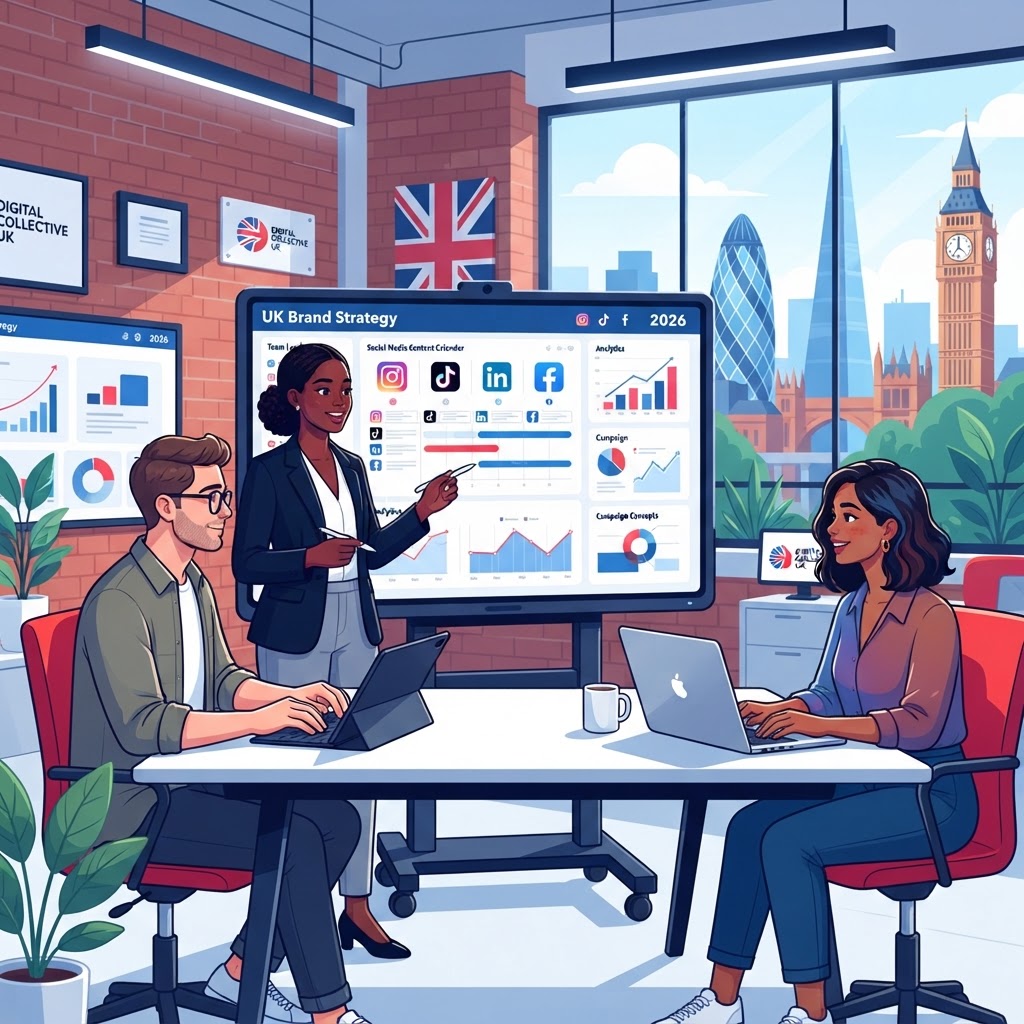
Social media is never static — and 2026 is shaping up to be one of the most disruptive years yet for UK brands trying to maintain organic reach, audience engagement, and return on investment across platforms. From AI-driven content ranking on Instagram and TikTok to LinkedIn's push for professional thought leadership, the algorithm changes rolling out across major platforms are fundamentally reshaping how businesses need to approach their social media strategy. For UK businesses — particularly small and medium-sized enterprises in regions like Halifax and across Yorkshire — understanding these shifts early is the difference between growing your audience and being buried in a feed no one sees.
What Are the Biggest Social Media Algorithm Changes in 2026?
The major platforms have each made significant structural changes to how content is discovered, ranked, and distributed. Here is what UK brands need to understand right now.
Instagram and Facebook: AI-First Content Ranking
Meta has doubled down on its AI recommendation engine, which now drives the majority of content shown in both Instagram and Facebook feeds — including content from accounts users don't follow. Meta refers to this as "unconnected content delivery," and it means your posts are being evaluated not just by your followers' behaviour, but by how well they perform with cold audiences algorithmically matched to your content type.
In practical terms, this rewards:
- Original content over reshared or repurposed material
- Video formats, particularly Reels under 60 seconds with strong hooks in the first three seconds
- Posts that generate saves and shares rather than just likes
- Accounts that post consistently and maintain low "negative feedback" rates (users hiding or reporting posts)
TikTok: Interest Graphs Over Social Graphs
TikTok's algorithm has always prioritised interest over social connection, but in 2026 it has become even more granular. The platform now segments audiences into micro-interest clusters, meaning a post that performs well with one subset of your followers may never be shown to another. Niche specificity is now a competitive advantage on TikTok — broad, generalised content underperforms compared to content that speaks directly to a defined audience segment.
LinkedIn: Expertise Signals and Dwell Time
LinkedIn's 2025–2026 algorithm updates have shifted emphasis toward expertise signals: content that demonstrates genuine professional knowledge ranks significantly higher than promotional posts or generic engagement bait. The platform now measures dwell time — how long users pause on your content — as a primary ranking factor, rewarding longer-form posts, carousel documents, and articles that keep people reading.
"LinkedIn has reported that content categorised as 'knowledge and advice' receives three times more reach than general updates. For B2B brands, this makes thought leadership content no longer optional — it is the algorithm."
How Should UK Brands Adapt Their Social Media Strategy in 2026?
Understanding the changes is only half the battle. The more important question is: what should UK businesses actually do differently? At STEPS Solutions, we work with brands across Yorkshire and beyond to translate platform changes into practical, results-driven strategies. Here is what we recommend.
1. Prioritise Content Quality and Originality
Every major platform in 2026 is algorithmically penalising low-effort, duplicated, or AI-generated content that lacks genuine value. This does not mean you cannot use AI tools — it means the output must be refined, original in perspective, and clearly valuable to your specific audience. Authenticity signals such as real faces, behind-the-scenes content, and genuine brand voice now carry measurable ranking weight.
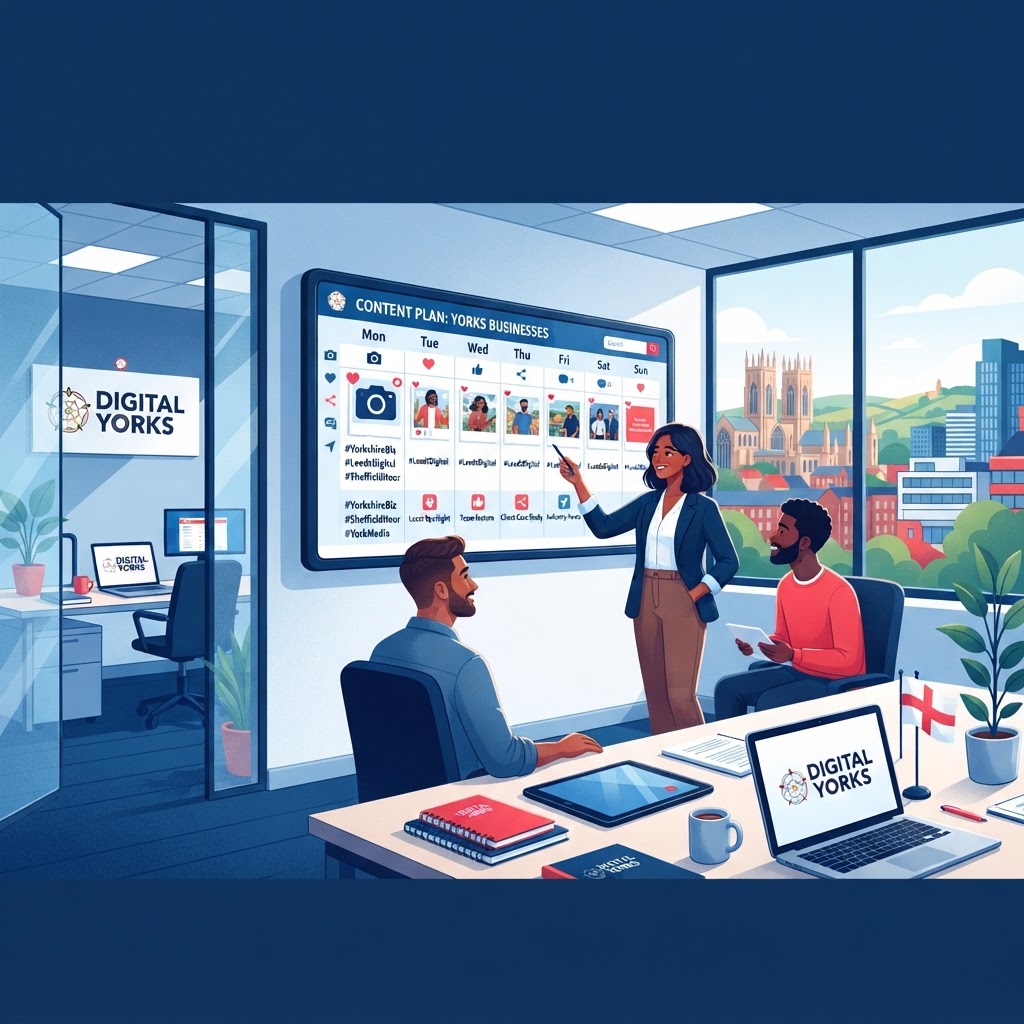
2. Build a Platform-Specific Content Strategy
The era of posting the same content across all platforms is over. Each platform's algorithm now differentiates so strongly by format and behaviour that cross-posting without adaptation actively harms your reach. A well-structured approach means:
- Creating native video for TikTok and Instagram Reels with platform-specific hooks and captions
- Developing long-form thought leadership content for LinkedIn, including carousels and newsletters
- Using Facebook for community-building through Groups, which still receive strong organic reach
- Repurposing core content ideas — but always reformatting for each platform's native behaviour
3. Leverage Social Search Optimisation
One of the most significant shifts of 2026 is that social media platforms are now search engines. TikTok, Instagram, and LinkedIn are all seeing substantial growth in in-platform search behaviour, particularly among 18–35 year olds. This means your captions, hashtags, on-screen text, and profile metadata now function as SEO elements. Keyword-rich captions that naturally describe what your content contains are no longer optional — they are the mechanism by which your content gets discovered beyond your existing followers.
4. Focus on Community and Conversation
All major platform algorithms in 2026 weight meaningful interactions — comments, replies, shares to Stories or DMs — more heavily than passive engagement like likes. Brands that build genuine community through responding to comments, asking questions, and facilitating conversation between followers will see disproportionate organic reach compared to brands that broadcast without engaging.
What Does This Mean for Local and Regional UK Businesses?
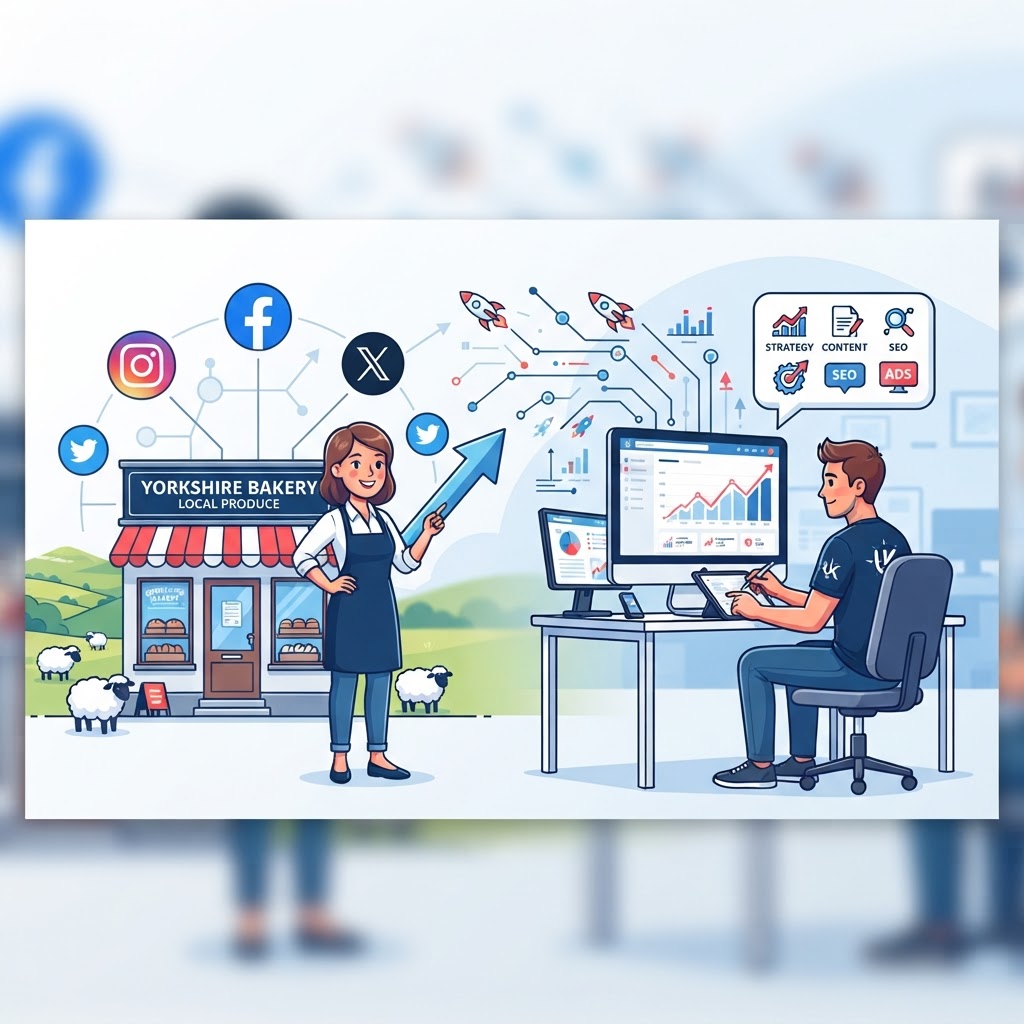
For businesses operating at a local or regional level — such as those based in Halifax, West Yorkshire, or other regional UK markets — these algorithm changes present both challenges and genuine opportunities. Local brands that create content with clear geographic and community relevance are benefiting from hyper-local interest matching on platforms like Instagram and TikTok, where the algorithm can surface content to nearby users actively looking for local services.
At STEPS Solutions, we have seen first-hand how Yorkshire-based businesses that combine strong local SEO with consistent, well-optimised social media content outperform larger national competitors in their regional market. The algorithms reward relevance — and local relevance is a competitive advantage that large brands often cannot replicate authentically.
Paid Social in 2026: Is Organic Reach Dead?
The short answer is no — but it is significantly harder to earn without strategic effort. Organic reach on most platforms has declined year-on-year, but the 2026 algorithm changes have created a new dynamic: high-quality organic content now gets amplified more aggressively by AI recommendation engines than it did under follower-based distribution models. The ceiling for organic reach has actually risen for brands that produce genuinely valuable content.
However, paid social advertising remains essential for consistent reach, audience growth, and campaign-specific objectives. The smartest approach combines a strong organic content foundation — which builds trust, authority, and community — with targeted paid promotion to amplify top-performing content and reach new audiences efficiently.
Key Takeaways
- AI-driven recommendation engines now govern most content discovery on Meta, TikTok, and LinkedIn — organic reach depends on content quality, not just follower count.
- Platform-specific content is essential; cross-posting without adaptation reduces reach across all platforms.
- Social search optimisation is a new priority — treat captions and metadata as SEO elements.
- Engagement quality (comments, shares, saves) outweighs passive metrics (likes) in 2026 algorithm ranking.
- Local and regional businesses in Yorkshire and across the UK have a genuine advantage through hyper-local relevance matching.
- Combining organic content strategy with paid social remains the most effective approach for sustainable growth.
- Working with a specialist agency like STEPS Solutions ensures your strategy stays ahead of platform changes rather than reacting to them.
The brands that will win on social media in 2026 are not necessarily those with the biggest budgets — they are the ones that understand how the algorithms actually work and create content with deliberate, informed strategy. If you are a UK business looking to strengthen your social media presence and stay ahead of these changes, STEPS Solutions in Halifax offers expert social media management and digital marketing services tailored to your goals and market.
Frequently Asked Questions
What are the main social media algorithm changes in 2026?
The main changes in 2026 include Meta's AI-first content ranking system that prioritises original video and high-engagement content from both connected and unconnected accounts; TikTok's deeper micro-interest segmentation; and LinkedIn's increased weighting of expertise signals and dwell time. Across all platforms, AI recommendation engines now play a larger role in content distribution than follower-based reach.
How can UK small businesses improve organic reach on social media in 2026?
UK small businesses can improve organic reach by creating original, high-quality content tailored to each platform's native format, optimising captions and metadata for social search, focusing on generating meaningful engagement (comments and shares rather than likes), and posting consistently. Local relevance is a particular advantage for regional businesses, as algorithms increasingly surface content to geographically matched audiences.
Is it worth investing in organic social media or should UK brands focus on paid ads?
Both are important. In 2026, organic social media builds long-term brand trust, community, and authority — and high-quality organic content can achieve significant reach through AI recommendation systems. Paid social advertising complements this by providing consistent reach, audience growth, and campaign-specific results. The most effective strategy for UK brands combines a strong organic content foundation with targeted paid promotion.
What type of content performs best on Instagram and TikTok in 2026?
On Instagram and TikTok in 2026, short-form original video performs best — particularly Reels and TikToks under 60 seconds with strong opening hooks. Content that generates saves and shares ranks higher than content that only receives likes. Niche-specific, authentic content that speaks directly to a defined audience significantly outperforms broad, generalised posts.
How does social media algorithm change affect local businesses in Yorkshire?
Local businesses in Yorkshire benefit from hyper-local interest matching, where platforms like Instagram and TikTok surface content to nearby users searching for local services. This means consistently creating content with genuine local relevance — referencing your location, community, and regional audience — can give Yorkshire businesses a competitive advantage over larger national brands that cannot replicate authentic local identity.