
Paid advertising costs are rising, ad fatigue is real, and UK businesses — particularly small and medium-sized enterprises — are looking for smarter ways to grow online. One of the most powerful and cost-effective strategies gaining traction right now is user-generated content (UGC). From customer reviews and social media posts to unboxing videos and community forums, UGC is helping businesses build trust, improve search visibility, and drive conversions without spending a penny on ads. At STEPS Solutions in Halifax, West Yorkshire, we work with UK businesses across sectors to build digital strategies that deliver real results — and UGC is increasingly central to that work.

What Is User-Generated Content and Why Does It Matter for UK Businesses?
User-generated content is any content — text, images, video, audio, or reviews — created by customers, followers, or community members rather than the brand itself. It includes Google reviews, Instagram tags, TikTok product videos, forum discussions, Reddit threads, and testimonials on third-party platforms.
For UK businesses, UGC matters for three core reasons:
- Trust: Consumers trust peer content far more than branded advertising. According to Nielsen, 92% of consumers trust organic user content more than traditional advertising.
- SEO value: Fresh, keyword-rich content created by real users signals relevance to search engines and supports local SEO rankings.
- Cost efficiency: UGC reduces the content burden on internal teams while producing authentic material that converts.
"User-generated content isn't just a marketing tactic — it's a trust infrastructure. Businesses that actively cultivate it build compounding authority over time, both with customers and with search engines."
How UGC Directly Supports SEO and Local Search Rankings
Search engines, particularly Google, reward content that demonstrates Experience, Expertise, Authoritativeness, and Trust (E-E-A-T). UGC contributes to all four signals when managed correctly.
Google Reviews and Local SEO
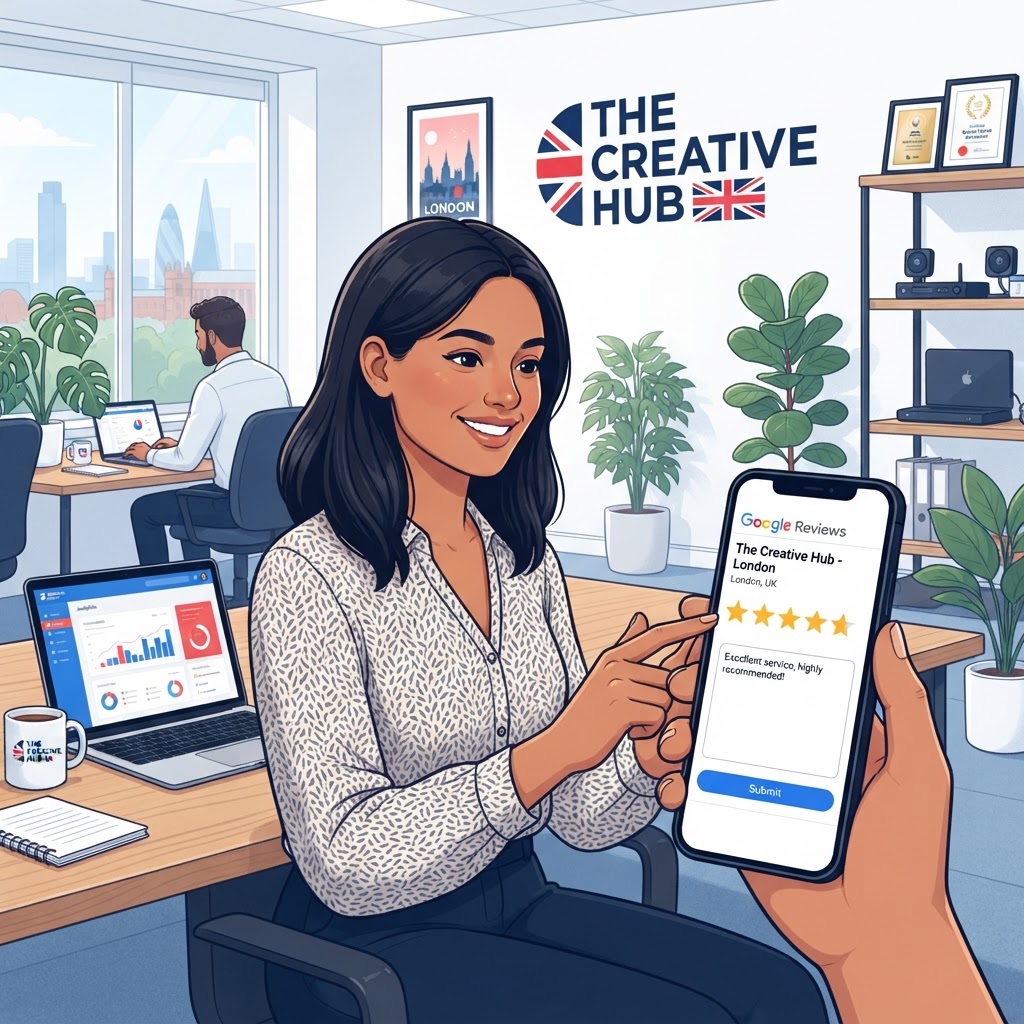
For businesses with a physical presence — whether in Halifax, Leeds, Manchester, or any UK high street — Google Business Profile reviews are one of the most direct forms of UGC available. A steady stream of genuine, keyword-relevant reviews improves local pack rankings and click-through rates. Businesses in Yorkshire and beyond that actively encourage and respond to reviews consistently outperform competitors who ignore this channel.
Review Platforms and Third-Party Signals
Platforms like Trustpilot, Which?, Checkatrade, and industry-specific directories generate backlinks and brand mentions that contribute to domain authority. Each review is effectively a piece of content that search engines can index.
Social Mentions and Indexed Content
When customers tag your business on Instagram, mention you in a YouTube video, or discuss your product on Reddit, these references create a broader web of brand signals. While not all social content is directly indexed, the indirect SEO benefits — traffic, engagement, and backlinks from others referencing that content — are measurable.
Building a UGC Strategy: A Practical Framework for UK Businesses
A successful user-generated content strategy doesn't happen by accident. It requires deliberate structure. Here is a practical framework that STEPS Solutions recommends for UK businesses starting out:
- Identify your UGC channels: Decide where your customers already talk about you — Google, Facebook, Instagram, TikTok, industry forums — and focus your efforts there first.
- Make it easy to contribute: Add review request prompts to post-purchase emails, receipts, and follow-up messages. Friction is the enemy of UGC volume.
- Create participation hooks: Run hashtag campaigns, photo contests, or "share your story" initiatives that give customers a reason to create content.
- Respond and amplify: Acknowledge every review and repost customer content (with permission). This signals to others that their contributions are valued.
- Repurpose strategically: With permission, use customer photos, quotes, and videos across your website, email campaigns, and social channels.
- Monitor and moderate: Use tools like Google Alerts, Mention, or Brand24 to track what's being said and respond appropriately to negative content.
Real-World UGC Tactics Working for UK Businesses Right Now
Across industries, UK businesses are implementing UGC in creative and effective ways. Here are strategies delivering measurable growth:
Hospitality and Food and Beverage
Yorkshire restaurants and cafés are actively encouraging customers to share photos on Instagram in exchange for small discounts or loyalty points. These posts reach highly targeted local audiences organically, often outperforming paid campaigns.
E-commerce and Retail
UK online retailers are embedding customer photo reviews directly on product pages, which increases conversion rates significantly. Tools like Okendo, Yotpo, and Judge.me make this straightforward to implement on platforms like Shopify.
Service-Based Businesses
Tradespeople, consultants, and agencies — including digital marketing agencies in Halifax and across the North of England — are generating detailed written testimonials and case studies from satisfied clients. These long-form pieces provide rich SEO content and answer the specific questions prospective buyers are searching for.
B2B and Professional Services
LinkedIn recommendations, peer reviews on Clutch or Google, and client-authored case study contributions are increasingly powerful for UK businesses in professional services. Encouraging clients to co-author success stories builds mutual visibility.
Common Mistakes That Undermine UGC Strategies
Even well-intentioned UGC efforts can fall flat. The most common mistakes include:
- Ignoring negative reviews: Unaddressed criticism damages trust far more than the original complaint. Always respond professionally and promptly.
- Incentivising dishonestly: Offering rewards for positive reviews violates Google's guidelines and can result in penalties. Incentivise participation, not sentiment.
- Failing to moderate: Without basic moderation, UGC platforms can accumulate spam, irrelevant content, or offensive material.
- Not repurposing content: Collecting UGC and doing nothing with it wastes the opportunity. Build workflows to surface the best content regularly.
- Neglecting permissions: Always obtain explicit permission before reposting customer images or videos in paid or owned media.

How to Measure the Impact of Your UGC Strategy
Like any marketing activity, user-generated content needs to be measured to be optimised. Key metrics to track include:
- Review volume and average rating across Google, Trustpilot, and relevant platforms
- Organic search rankings for target keywords, particularly local terms
- Traffic from social referrals linked to UGC campaigns
- Conversion rate uplift on pages featuring customer reviews or photos
- Share of voice — how often your brand is mentioned relative to competitors
- Cost per acquisition compared to equivalent paid campaigns
At STEPS Solutions, we help clients in Halifax, across Yorkshire, and throughout the UK set up proper tracking frameworks so UGC performance is visible and attributable, not just assumed.
Key Takeaways
- User-generated content builds trust, supports SEO, and reduces content costs simultaneously.
- Google reviews are one of the most impactful forms of UGC for local businesses across the UK.
- A structured UGC strategy — with clear channels, participation hooks, and repurposing workflows — consistently outperforms ad-hoc approaches.
- UK businesses that respond to, amplify, and repurpose UGC compound its value over time.
- Measurement is essential: track review volume, organic rankings, and conversion impact to prove ROI.
- Working with a specialist digital agency like STEPS Solutions in Halifax can help UK businesses implement UGC as part of a broader, integrated digital strategy.
Frequently Asked Questions
What is user-generated content and how can UK businesses use it?
User-generated content (UGC) is any content created by customers or community members rather than the brand — including reviews, social media posts, photos, and videos. UK businesses can use it by encouraging customers to leave Google reviews, share photos on social media, and contribute testimonials, then repurposing that content across their website and marketing channels to build trust and improve SEO without paid advertising.
Does user-generated content help with SEO?
Yes. User-generated content supports SEO in multiple ways: Google reviews improve local search rankings and click-through rates, customer-written content adds fresh keyword-relevant material to your digital footprint, and brand mentions across third-party platforms contribute to domain authority. For local businesses in the UK, Google Business Profile reviews are particularly impactful for local SEO performance.
How do you encourage customers to create user-generated content?
The most effective methods include post-purchase review request emails, QR codes on receipts or packaging, branded hashtag campaigns on social media, photo competitions with prizes, and simply asking satisfied customers directly. Reducing friction — making it as easy as possible to leave a review or share content — is the single most important factor in increasing UGC volume.
Is user-generated content a good alternative to paid advertising for small UK businesses?
UGC is not a complete replacement for paid advertising, but it is one of the most cost-effective growth channels available to small UK businesses. It builds compounding organic visibility over time, improves conversion rates, and generates trust signals that paid ads cannot replicate. Many businesses in Yorkshire and across the UK achieve significant growth by prioritising UGC alongside organic SEO before investing in paid media.
What are the risks of a user-generated content strategy?
The main risks include negative reviews damaging reputation if left unaddressed, non-compliance with platform guidelines if reviews are incentivised incorrectly, spam or inappropriate content appearing on community platforms, and legal issues if customer images are reused without permission. These risks are manageable with a clear moderation policy, prompt response protocols, and proper permissions processes — all of which a digital agency like STEPS Solutions can help implement.